By Diana Morgan
As with many dynamic disabilities, the experience of autism is very different for everyone. It does not have a “look” or a single experience. Treatment and support for autistics is complex, and while many things help a broad range of people, it’s far from universal. This means when we show a representation of autism, we are often showing only a small part of the picture. The problem is that people often only see one picture, one story, and their opinion of autism is often incomplete.
Many of these misunderstandings are also perpetuated by our media. In the past, many examples of autism on screen were stereotypical characters that show autistic people as hyper-intelligent savants, or non-verbal encumbrances needing full-time care. These perpetuated the idea that autism is a burden, or that autistic people have “superpowers,” making them valuable only for what they contribute to society.
If the only movie you’ve ever seen about autism was Rain Man, the 1988 movie starring Dustin Hoffman and Tom Cruise, you’ve seen a very specific representation of autism. Hoffman plays a character with high support needs who struggles to communicate, needs round-the-clock supervision, and is a savant, among other things. If this were your only experience with autism, what would your understanding of the disorder be?
But then, say you see the TV show The Good Doctor, a very different portrayal of autism. Here is a low support needs individual who communicates well, though still has complicated needs, but is very different from Raymond. How would that change your perspective?
Each story adds to our understanding. The goal is not to have a perfect representation in a single story—it’s to add another story to the collective and keep the collective going.
We often are only exposed to a small number of stories about disability, particularly autism. Things have gotten better in the past few years, but even with the amount of representation growing, there’s no telling what media people will be exposed to at any time.
Writing characters with any disability can be a challenge. As someone with neurodivergent disabilities, I understand that challenge and spend a lot of time talking with writers about how we can have better representation.
The most important thing is start with the character. No matter what disability, you are writing about a person, a full person with a life, experiences, wants, desires, goals. What are those? How are they trying to get them?
Then think about how their disability can affect that. With autism is can be many things. If they have social communication challenges than they may misunderstand things, or have trouble explaining themselves to others. Think about how other characters may react to them, especially if they don’t know about their disability.
I have two autistic characters in my current books, Alliances and the upcoming Retributions. Jacob, a doctor with autism and ADHD who struggles with the ever-changing environment of a colony of survivors after leaving Earth. It’s a dystopic environment that challenges him, and he often struggles to communicate and be confident with his responsibilities. His experience is based largely on my own struggles to navigate the world growing up with a diagnosis, but not always having support.
In Retributions, he will meet Henry, a medium supports needs autistic person who has grown up in a harsh environment with almost no support and no idea why his mind works differently. They will have to survive together while navigating their different experiences of the world.
The goal is not necessarily to create a perfect representation in every story, but to create as wide a variety of stories as possible. So that there is a greater chance that people will see more experiences. Especially in a disability as dynamic as autism, we need to keep telling stories and showing what life with autism is like.
Creating authentic characters with autism is a very nuanced conversation, and I don’t have simple answers. If you are not autistic, do your research, engage with the autism community and learn as much as you can. Even if you are autistic, be open to learning about other experiences. If needed, use a sensitivity reader to help make your character’s experience as authentically as possible. Most importantly, keep writing. Keep adding our stories to the collective.
At the end of the day, it’s the work we do telling our stories, doing activism, and standing up for autistic and other disabled people that makes the most difference.
April is Autism Acceptance Month, and now more than ever, it is important to both raise awareness and build acceptance. Because the truth is, we need both. Without awareness, there is no acceptance, and true acceptance comes when we not only recognize the full spectrum of autism and its challenges, but also its intersectionalities. Autistic people of color are still underdiagnosed or diagnosed later than white peers; women are diagnosed at far lower rates than men, and cultural and societal norms still perpetuate stigmas and misunderstandings.
Right now, fear and misunderstanding about autism are being spread by people in power. Resources and rights of disabled people are being stripped away. We need to support the most vulnerable among us. We do that by continuing to speak out, tell stories, and participating however we can. Support disabled authors, especially Black and brown and LGBTQ authors and artists whose stories are often overlooked.
There are many authors, advocates, and influencers doing work to help with both awareness and acceptance of autism. Kaligirwa @BlackSpectrumScholar, Sonny J @livedexperienceeducator, and @adhdruids were the ones I originally saw suggesting calling April simply Autism Month. They also have a lot of content on autism and other neurodivergent conditions. For other information, I have a list of suggested reading and resources on my website at DianaMorganAuthor.com
DIANA MORGAN is a superhero by day, writer by night. Okay, not really, but when she’s not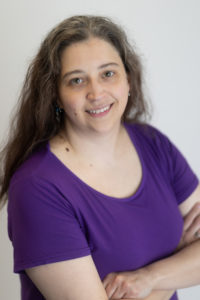 writing books, she’s a librarian at a local library, which is kind of a superhero. Her superpowers include always knowing what kids like to read, being able to read more than 10 books at one time, and the ability to eat more pizza than anyone.
Diana has always loved science fiction and fantasy. She grew up watching Quantum Leap, Power Rangers and Star Wars. She can’t remember a time when she wasn’t making up stories.
She was a geek before being a geek was cool, and she loves hanging out with other geeks and sharing her love of all things space and magic and books.
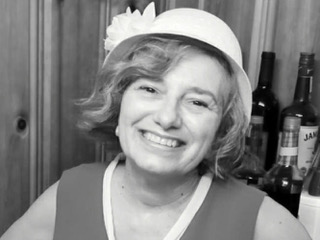 hometown and its history inspire her fiction. When she’s not thinking about how haunted everything is, she enjoys hiking, crafts, and cooking for her family.





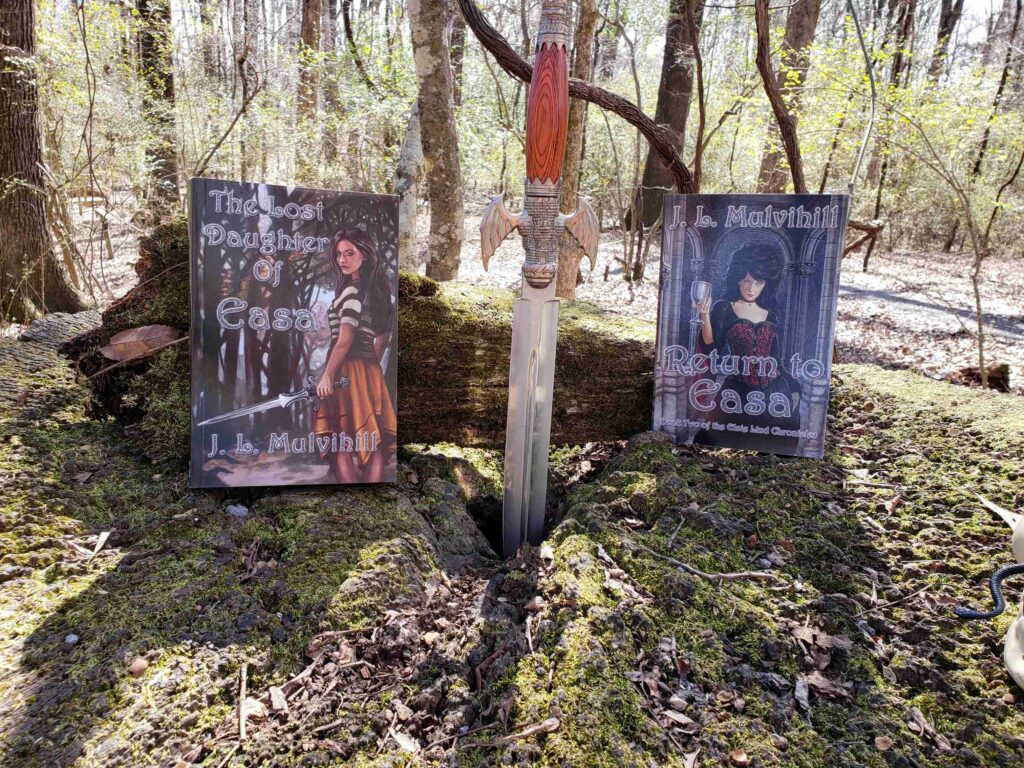
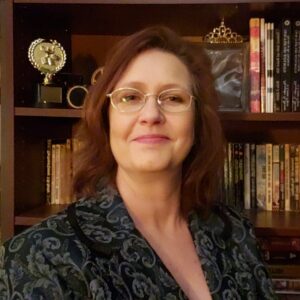 A California native born in Hollywood, California, J.L. MULVIHILL wanted to be a rock star. After several years of modeling, acting, and singing, she decided to marry, have a family, and moved to a quieter life in Mississippi where she has lived for the past twenty years. Finding she has a gift for story telling she began to write young adult books, including the Steel Roots series and The Lost Daughter of Easa. She is very active in the writing community, a member of the Society of Children’s Book Writers and Illustrators, Gulf Coast Writers Association, Imagicopter, the Mississippi Writers Guild and Clinton Ink-slingers Writing Group. She continues to write fantasy, steampunk, poetry and essays inspired by her life in the South.